


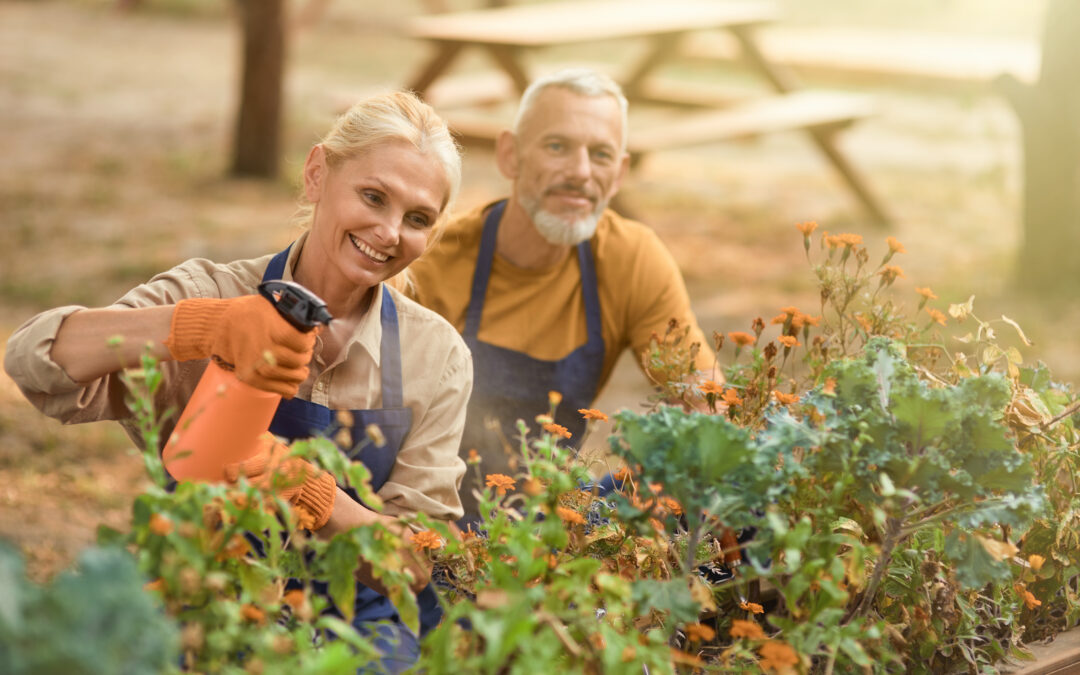
Community gardens help seniors stay active and connected by providing opportunities for gentle physical activity, social interaction, outdoor recreation, and a shared sense of purpose. Gardening allows older adults to spend time outdoors, grow flowers and vegetables, develop friendships, and participate in meaningful activities during retirement.
For many older adults, retirement brings more time to enjoy personal interests. However, changes in daily routines can also make it harder to stay physically active or maintain regular social connections.
Community gardening offers a practical way to address both challenges. Whether planting vegetables, tending flowers, or exchanging gardening tips with neighbors, older adults can enjoy activities that support an active and socially engaged lifestyle.
At Sanatoga Ridge Community in Pottstown, Pennsylvania, residents have access to a community garden where they can grow plants, share gardening interests, and enjoy time outdoors.
What Is a Community Garden for Seniors?
A community garden for seniors is a shared outdoor space where older adults can grow vegetables, herbs, flowers, or other plants, either individually or alongside other community members.
Some community gardens provide individual planting plots, while others use shared growing areas maintained by participants. Unlike maintaining a large private garden, community gardening can allow older adults to choose a manageable amount of gardening work while enjoying opportunities to interact with others. Common community gardening activities include:
- Planting flowers and vegetables
- Watering and caring for plants
- Growing herbs for home cooking
- Sharing gardening tips
- Harvesting seasonal produce
- Participating in gardening clubs
- Spending time outdoors with neighbors
The combination of gardening, recreation, and social interaction makes community gardens a valuable amenity in many active senior living communitiese.
What Are the Benefits of Gardening for Seniors?
The benefits of gardening for seniors can include gentle movement, outdoor enjoyment, mental engagement, opportunities for friendship, and a sense of accomplishment. Gardening is flexible, allowing older adults to participate according to their interests, physical abilities, and level of experience.
1. Encourages Gentle Physical Activity
Gardening involves everyday movements that can help older adults remain physically engaged. Activities such as planting seeds, watering flowers, tending vegetables, and walking between garden plots involve movement without necessarily requiring structured exercise.
Depending on the task, gardening may involve:
- Walking and standing
- Reaching and stretching
- Carrying lightweight tools
- Using hands for planting and pruning
- Moving between garden areas
These activities can contribute to overall physical activity. However, gardening tasks vary in intensity. Heavy digging, lifting, prolonged bending, and working in high temperatures may not be appropriate for everyone.
Older adults should choose manageable tasks, take breaks, stay hydrated, and seek medical advice when health conditions affect their ability to participate safely.
2. Creates Opportunities for Social Connections
One of the most valuable social benefits of gardening for seniors is the opportunity to connect with people who share similar interests. Community gardens provide natural conversation starters.
Neighbors may discuss planting techniques, exchange seeds, compare vegetables, or offer advice about seasonal gardening. These small interactions can gradually develop into meaningful friendships.
For example, two residents who regularly tend neighboring garden plots may begin by discussing their plants and eventually discover other shared interests. Community gardening encourages relationships to develop naturally through repeated contact and shared experiences.
3. Provides a Sense of Purpose and Accomplishment
Retirement often changes the structure of everyday life. Activities that involve responsibility, creativity, and measurable progress can help older adults maintain a sense of purpose. Gardening provides opportunities to set personal goals and observe results over time.
Planting seeds, caring for growing plants, and harvesting vegetables can create a rewarding sense of accomplishment. Even small achievements, such as growing fresh herbs or maintaining a colorful flower bed, can help make gardening enjoyable.
4. Encourages Time Outdoors and Connection With Nature
Spending time outdoors can be an enjoyable part of retirement. Community gardens provide a reason to step outside, experience seasonal changes, and spend time in a natural environment. Residents may enjoy:
- Fresh air and natural surroundings
- Seasonal flowers and greenery
- Watching plants grow
- Observing birds and pollinators
- Relaxing in a peaceful outdoor setting
For older adults who spend considerable time indoors, gardening can provide an appealing reason to enjoy outdoor spaces. Outdoor activity should be adapted to weather conditions, with particular attention to heat, sun exposure, hydration, and safe walking surfaces.
5. Supports Mental Engagement and Lifelong Learning
Gardening involves planning, observation, decision-making, and learning. Older adults may research suitable plants, plan seasonal planting schedules, learn about soil conditions, or experiment with new gardening techniques.
Activities that encourage curiosity and learning can make retirement more engaging. Gardening also provides opportunities to share knowledge. Experienced gardeners can teach beginners about growing vegetables, maintaining flowers, and preparing plants for different seasons. This exchange of knowledge creates meaningful interactions between community members.
6. Encourages Healthy Food Interests
Growing vegetables and herbs can make gardening especially rewarding. Residents may enjoy harvesting ingredients such as tomatoes, peppers, lettuce, cucumbers, and herbs for use in their own kitchens. Growing food can also encourage conversations about seasonal produce, cooking, and favorite recipes.
While gardening does not automatically improve a person’s diet, it can create opportunities to learn about fresh produce and develop an interest in food preparation.
How Do Community Gardens Help Seniors Build Friendships?
Community gardens help seniors build friendships by bringing people together through shared interests, regular interactions, and cooperative activities. Unlike social events that take place only occasionally, gardening can encourage ongoing contact throughout the growing season.
Shared Interests Make Conversations Easier
Gardening provides a common topic that can help neighbors begin conversations. Even residents who have never met may find it easy to discuss flowers, vegetables, weather conditions, or gardening experiences.
Regular Activities Build Familiarity
Returning to the garden regularly creates opportunities to see familiar faces. Over time, these interactions can help neighbors become more comfortable with one another.
Sharing Knowledge Encourages Cooperation
Experienced gardeners can offer practical advice to beginners. Residents may exchange seeds, discuss plant care, or help one another solve gardening problems.
Shared Achievements Strengthen Community Connections
A successful growing season can become a shared experience. Residents may enjoy discussing their harvests, admiring one another’s flowers, or celebrating the progress of the garden.
The result is more than a collection of plants. A community garden can become a place where friendships and a sense of belonging develop.
What Gardening Activities Are Best for Older Adults?
The best gardening activities for older adults depend on individual mobility, physical abilities, interests, and experience.
| Gardening activity | Potential benefit | Practical consideration |
| Planting flowers | Creativity and outdoor enjoyment | Choose manageable planting areas |
| Growing herbs | Easy access to fresh herbs | Containers can reduce space requirements |
| Watering plants | Gentle routine and movement | Use lightweight watering equipment |
| Growing vegetables | Learning and sense of accomplishment | Select plants suited to local conditions |
| Container gardening | Flexible gardening opportunities | Position containers at a comfortable height |
| Pruning small plants | Hand coordination and plant care | Use appropriate tools |
| Gardening clubs | Social interaction and shared learning | Encourage flexible participation |
Accessible Gardening Tips for Seniors
Older adults can make gardening more comfortable by:
- Using raised beds or containers when available
- Choosing lightweight tools
- Wearing supportive footwear
- Taking regular breaks
- Avoiding heavy lifting
- Using gloves and sun protection
- Gardening during cooler parts of the day
- Keeping pathways clear
- Selecting tasks appropriate to their mobility
Raised beds, seating, accessible paths, and nearby water sources can make community gardening more convenient. Prospective residents should ask which accessibility features are available rather than assuming every community garden provides them.
Community Gardening at Sanatoga Ridge Community in Pottstown, PA
For older adults interested in gardening in retirement in Pottstown, Pennsylvania, Sanatoga Ridge Community provides an example of how shared outdoor spaces can support an active independent living lifestyle.
Sanatoga Ridge is a nonprofit 55+ independent living community located in Montgomery County, Pennsylvania.
The community includes private residences, landscaped grounds, walking paths, recreational amenities, and a resident community garden.
A Garden Where Residents Can Grow Their Own Plants
Sanatoga Ridge has previously documented its community garden as a space where residents could choose small or large plots to grow plants of their choice. A community update published in July 2022 described residents growing:
- Zucchini
- Cucumbers
- Peppers
- Peas
- Tomatoes
- Lettuce
- Herbs
- Marigolds
- Zinnias
This variety illustrates how residents can explore different gardening interests, from growing fresh produce to cultivating colorful flowers.
The Green Thumbs Gardening Group
Sanatoga Ridge’s June 2024 resident newsletter highlighted The Green Thumbs, a community gardening group. The newsletter invited residents interested in growing vegetables to claim available garden plots and participate in the garden.
This resident-led approach reflects the community’s emphasis on encouraging older adults to share interests and participate in activities they enjoy.
More Than a Place to Grow Vegetables
The community garden area has also served as a gathering place for outdoor recreation. Sanatoga Ridge’s June 2025 newsletter described summer lawn games near the community garden, including bocce, croquet, horseshoes, ladder ball, and cornhole.
The newsletter also mentioned picnic tables and shaded areas where residents could gather. These activities demonstrate how outdoor community spaces can encourage social interaction beyond gardening itself.
Because garden arrangements and event schedules may change, prospective residents should confirm current plot availability and activities with the community.
Why Community Gardens Are Valuable in Independent Senior Living
Independent living communities are designed to support older adults who want to maintain personal freedom while enjoying convenient amenities and social opportunities. A community garden complements this lifestyle by providing an optional activity that residents can enjoy at their own pace. Community gardens may support:
- Outdoor recreation
- Personal hobbies
- Regular social interaction
- Shared interests
- Opportunities for volunteering
- Learning and creativity
- A sense of community participation
Unlike mandatory group activities, gardening can accommodate different preferences. Some residents may enjoy spending quiet time caring for their own plants, while others may prefer working alongside neighbors. This flexibility makes gardening an appealing activity for residents with different personalities and interests.
Gardening and Maintenance-Free Retirement Living: Can They Work Together?
Yes, maintenance-free retirement living and personal gardening can complement each other. In a traditional home, maintaining a large yard may involve mowing, landscaping, seasonal cleanup, and other demanding responsibilities.
An independent living community may handle routine grounds maintenance while offering residents opportunities to garden recreationally. At Sanatoga Ridge, the community provides landscaping, lawn care, snow removal, and other maintenance services.
Residents can therefore enjoy the community’s landscaped environment without taking responsibility for routine property maintenance. Those interested in gardening can explore available community garden opportunities while continuing to enjoy the benefits of a low-maintenance lifestyle.
This distinction is important: recreational gardening is a personal choice, while community grounds maintenance is handled according to the community’s service arrangements.
How Can Seniors Start Gardening in Retirement?
Older adults who want to begin gardening do not need extensive experience. A few practical steps can make the activity more manageable.
Start With a Small Project
Begin with a few herbs, flowers, or easy-to-grow vegetables rather than a large planting area.
Choose Plants Suited to the Season
Select plants appropriate for local growing conditions. In southeastern Pennsylvania, planting schedules vary by crop and seasonal temperatures.
Use Comfortable Gardening Equipment
Choose lightweight tools and containers that are easy to reach and maintain.
Ask Experienced Gardeners for Advice
Joining a community gardening group can provide opportunities to learn from fellow gardeners.
Make Gardening a Social Activity
Invite a friend or neighbor to participate, share gardening ideas, or compare seasonal results.
Focus on Enjoyment Rather Than Productivity
Gardening should be a rewarding activity, not another demanding responsibility. Growing a few flowers or herbs can be just as enjoyable as maintaining a large vegetable garden.
What Should Seniors Look for in a Retirement Community Garden?
When exploring an independent living community, gardening enthusiasts may want to ask:
- Is there a resident community garden?
- Are individual garden plots available?
- Is there a gardening club?
- Are raised beds or accessible planting areas provided?
- Are tools and water available nearby?
- Can residents grow vegetables and flowers?
- Are there restrictions on planting?
- Are garden activities seasonal?
- Is there seating or shade nearby?
- How are plots allocated and maintained?
These questions can help prospective residents determine whether a community’s gardening opportunities match their preferences.
Frequently Asked Questions About Community Gardens for Seniors
What are the benefits of gardening for seniors?
Gardening can provide older adults with gentle physical activity, outdoor enjoyment, mental engagement, opportunities for social interaction, and a sense of accomplishment. Benefits vary depending on the individual and the gardening activities involved.
How do community gardens help seniors stay connected?
Community gardens bring older adults together through shared interests and regular interactions. Residents can exchange gardening tips, discuss plants, work on projects, and gradually develop friendships.
Is gardening a good activity for older adults?
Gardening can be an enjoyable activity for many older adults when tasks are matched to their physical abilities. Lightweight tools, accessible planting areas, rest breaks, and appropriate weather precautions can make participation more comfortable.
Can gardening help reduce loneliness in seniors?
Community gardening may create opportunities for companionship and meaningful social interaction. However, gardening alone cannot guarantee reduced loneliness, and individuals experiencing persistent loneliness may benefit from additional support.
What vegetables are easy for seniors to grow?
Herbs, lettuce, radishes, bush beans, and certain tomato varieties can be manageable options depending on available space, growing conditions, and individual abilities.
What is a community garden in a retirement community?
A community garden is a shared outdoor area where residents can grow flowers, herbs, vegetables, or other plants. Some gardens offer individual plots, while others are maintained cooperatively.
Does Sanatoga Ridge Community have a community garden?
Yes. Sanatoga Ridge’s official website identifies a resident community garden, and past community newsletters document garden plots and gardening activities. Current availability should be confirmed directly with the community.
Can seniors enjoy gardening without maintaining a large yard?
Yes. Container gardening, small plots, raised beds, and community gardens can provide opportunities to enjoy plants without taking responsibility for a large private yard.
Where can seniors enjoy community gardening in Pottstown, PA?
Older adults can explore community gardens, local gardening organizations, and retirement communities offering shared planting spaces. Sanatoga Ridge Community in Pottstown has documented a resident community garden as part of its independent living lifestyle.
Discover Active Independent Living at Sanatoga Ridge Community
Community gardens offer more than a place to grow vegetables and flowers. They provide opportunities for older adults to stay active, spend time outdoors, learn new skills, and build meaningful connections. For seniors who enjoy gardening, shared outdoor spaces can become an important part of a fulfilling retirement lifestyle.
At Sanatoga Ridge Community in Pottstown, Pennsylvania, residents can enjoy private homes, maintenance services, landscaped grounds, recreational amenities, and opportunities to connect with neighbors.
Whether you enjoy gardening, walking, group activities, or quiet time outdoors, Sanatoga Ridge offers a setting that is designed around independent retirement living.
